Yada: To Know
Yada is one of the most common verbs in the Old Testament, and one of the widest in meaning. It can describe knowing a fact, recognizing a face, or the closest human intimacy there is. Scripture uses the same word for all of it, because in Hebrew thought, real knowledge is rarely just information.
Pronounced yaw-dah'. verb.
Yada means to know, but its range runs far past facts: it covers relationship, experience, and intimacy, the difference between knowing about someone and truly knowing them.
When Genesis says Adam “knew” his wife, it uses yada for the most intimate human closeness available, not a euphemism borrowed from elsewhere but the word’s own natural range. The same verb describes God knowing Jeremiah before he was formed in the womb, and Israel being told to know that the Lord is God. Facts, relationship, and covenant loyalty all sit inside one word.
That is what makes Psalm 139 so striking. When David says “thou hast searched me, and known me,” he is not describing God’s data about him. He is describing being fully known, the way you know someone you have lived beside for years, and finding that this searching, complete knowledge is somehow good news rather than exposure to fear.
Key verses
“O Lord, thou hast searched me, and known me.”
David opens with the claim the whole psalm unpacks: O Lord, thou hast searched me, and known me.
“Before I formed thee in the belly I knew thee; and before thou camest forth out of the womb I sanctified thee, and I ordained thee a prophet unto the nations.”
God’s knowledge of Jeremiah precedes his birth: before I formed thee, I knew thee.
“And Adam knew Eve his wife; and she conceived, and bare Cain, and said, I have gotten a man from the Lord.”
The word’s intimate range on display: Adam knew Eve his wife, and she conceived.
“Know therefore that the Lord thy God, he is God, the faithful God, which keepeth covenant and mercy with them that love him and keep his commandments to a thousand generations;”
Know therefore that the Lord thy God, he is God, the faithful God, keeping covenant and mercy.
Scripture quotations are from the King James Version (KJV), public domain.
Trace Yada through the whole Bible
The free PrayerPath app's Explore concordance shows every place Yada (H3045) appears, with the full text of each passage and plain-language notes.
 Free. No subscriptions.
Related words
Keep your prayers. Open the Word.
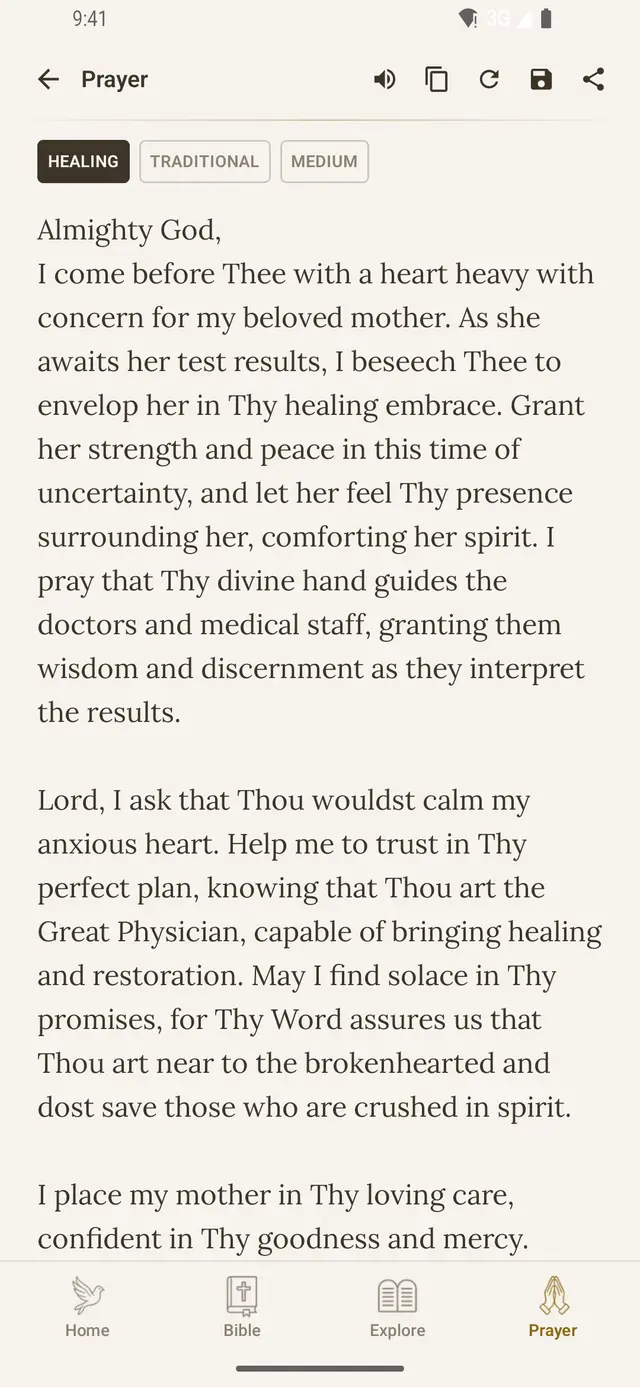
Your prayer journal
Save every prayer, revisit them, and watch how God answers over time.
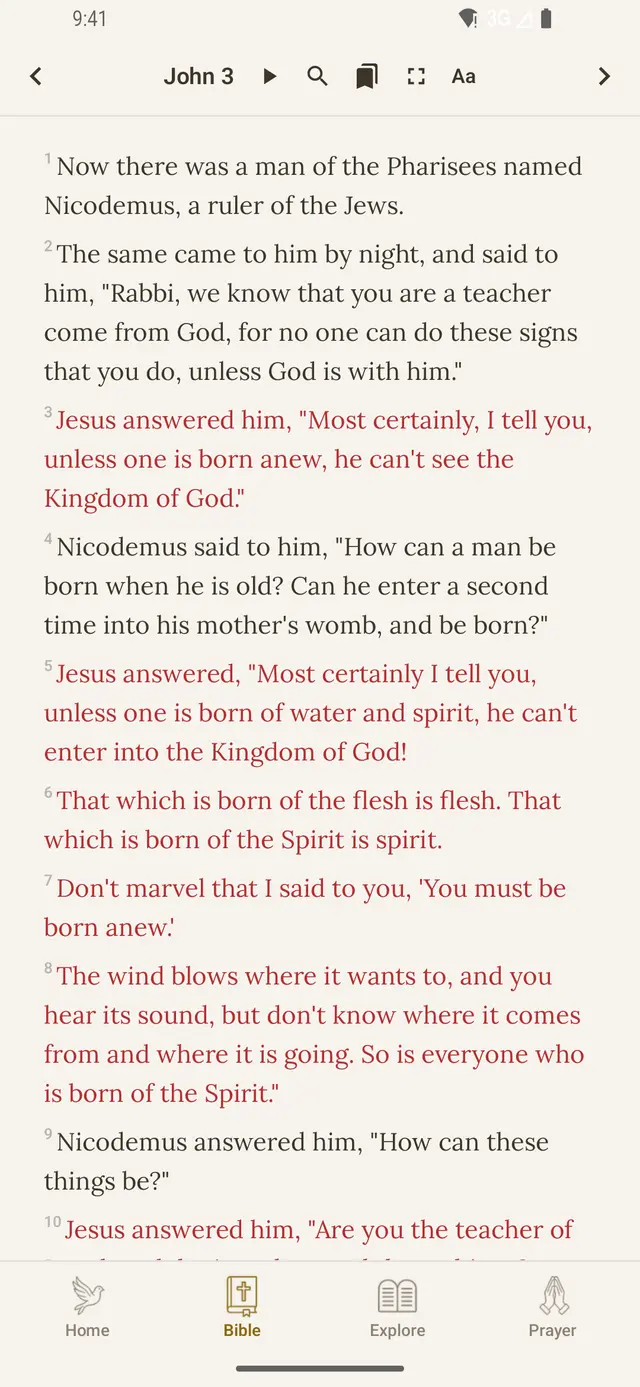
The full Bible
Fifteen translations, words of Jesus in red, and plain-language verse explanations.
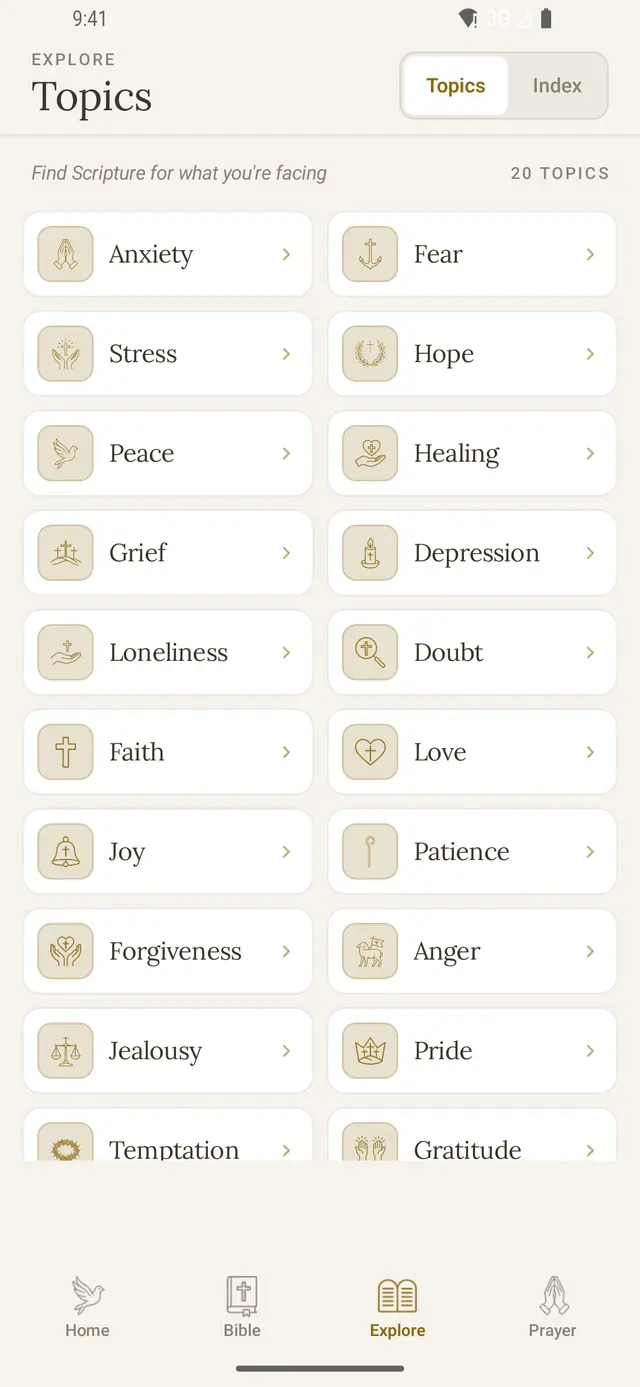
Explore any topic
A concordance that gathers every verse on the things you pray about.
Free. No subscriptions. Every feature included.