Maranatha: Our Lord, Come
At the very end of a long letter, Paul sets down a word that is not Greek at all: Maranatha. The church in Corinth spoke Greek, yet the prayer arrived in Aramaic, the household language of the first believers in Jerusalem. Some prayers matter enough to keep in their original words.
phrase (Aramaic).
Maranatha is an Aramaic phrase preserved untranslated in the Greek New Testament. Divided one way it means “our Lord, come”; divided another, “our Lord has come.” Both are true, and both are prayers.
Maranatha appears once in Scripture, in 1 Corinthians 16:22. Written as marana tha, it is a plea: “our Lord, come!” Written as maran atha, it is a confession: “our Lord has come.” Scholars genuinely cannot settle which was meant, and the ambiguity is a gift. The church lives between those two sentences: He has come, and He is coming.
Because it appears only once, the other passages on this page are not occurrences of the word but echoes of the prayer. Revelation ends the whole Bible with its Greek equivalent: “Even so, come, Lord Jesus.” Praying maranatha places you in the oldest stream of Christian prayer there is, older than the New Testament itself.
Key verses
“If any man love not the Lord Jesus Christ, let him be Anathema Maran-atha.”
The one place the word appears. Paul closes his letter with the early church’s own Aramaic prayer.
“He which testifieth these things saith, Surely I come quickly. Amen. Even so, come, Lord Jesus.”
The Bible’s closing prayer says in Greek what maranatha says in Aramaic: come, Lord Jesus.
“Let your moderation be known unto all men. The Lord is at hand.”
“The Lord is at hand” is the reason Paul gives for gentleness. Expectation changes how you treat people today.
“For the Lord himself shall descend from heaven with a shout, with the voice of the archangel, and with the trump of God: and the dead in Christ shall rise first: Then we which are alive and remain shall be caught up together with them in the clouds, to meet the Lord in the air: and so shall we ever be with the Lord.”
The hope behind the prayer spelled out: the Lord Himself will come, and His people will be with Him forever.
Scripture quotations are from the King James Version (KJV), public domain.
Trace Maranatha through the whole Bible
The free PrayerPath app's Explore concordance shows every place Maranatha (G3134) appears, with the full text of each passage and plain-language notes.
 Free. No subscriptions.
Related words
Keep your prayers. Open the Word.
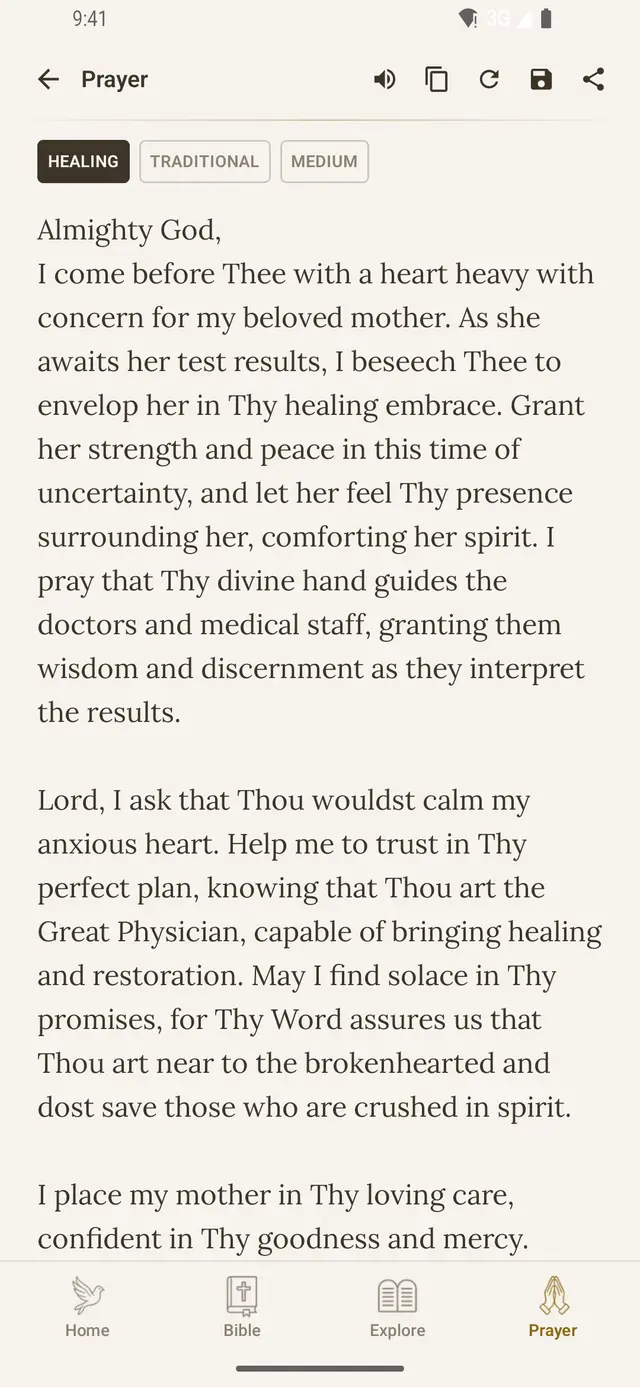
Your prayer journal
Save every prayer, revisit them, and watch how God answers over time.
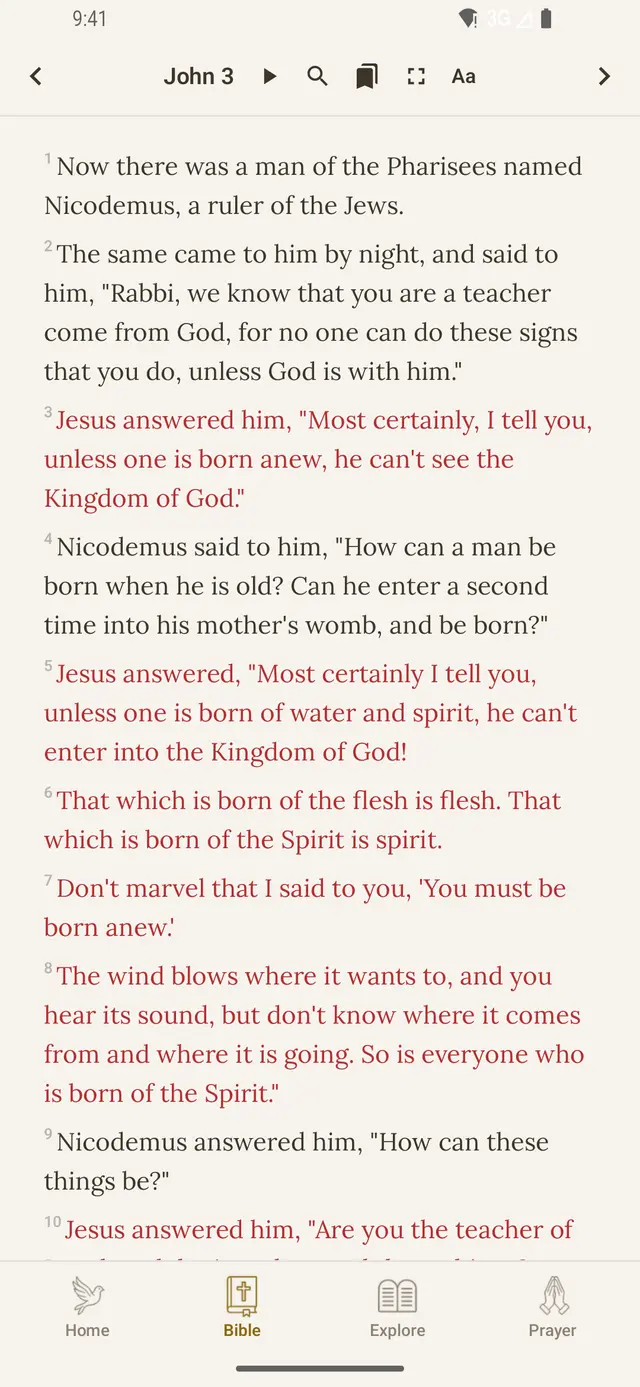
The full Bible
Fifteen translations, words of Jesus in red, and plain-language verse explanations.
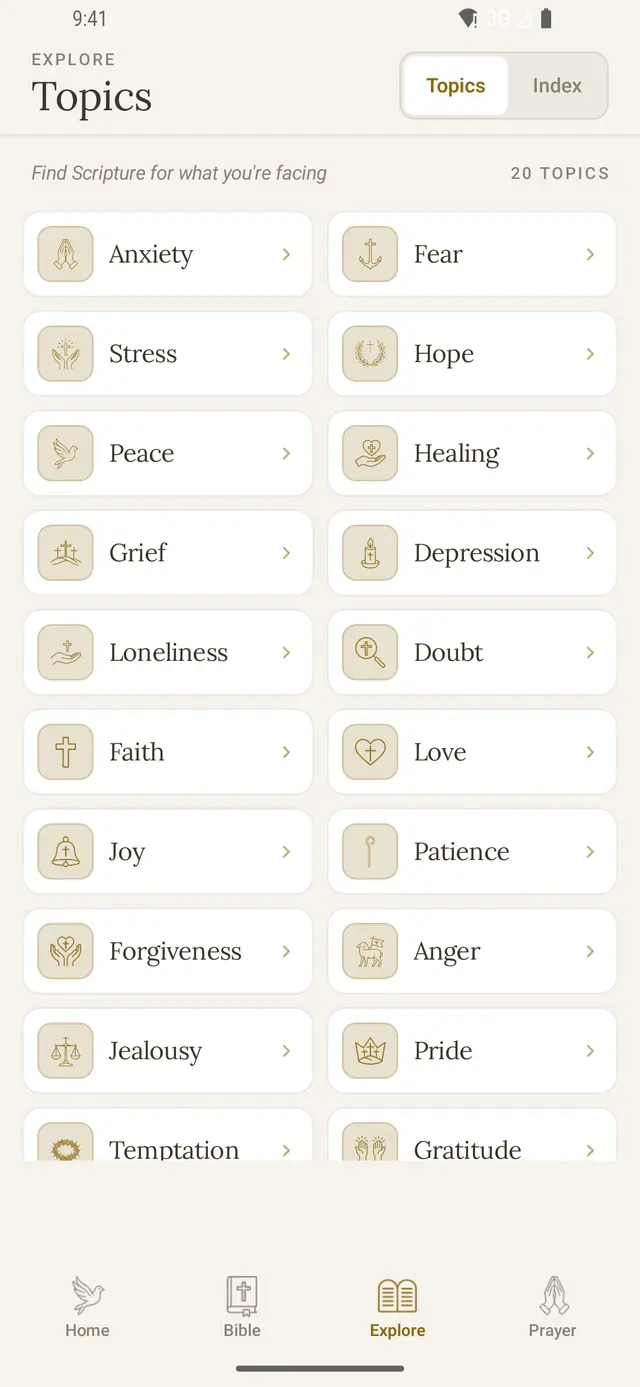
Explore any topic
A concordance that gathers every verse on the things you pray about.
Free. No subscriptions. Every feature included.